Child Sensory Floor Pathway Ideas That Work
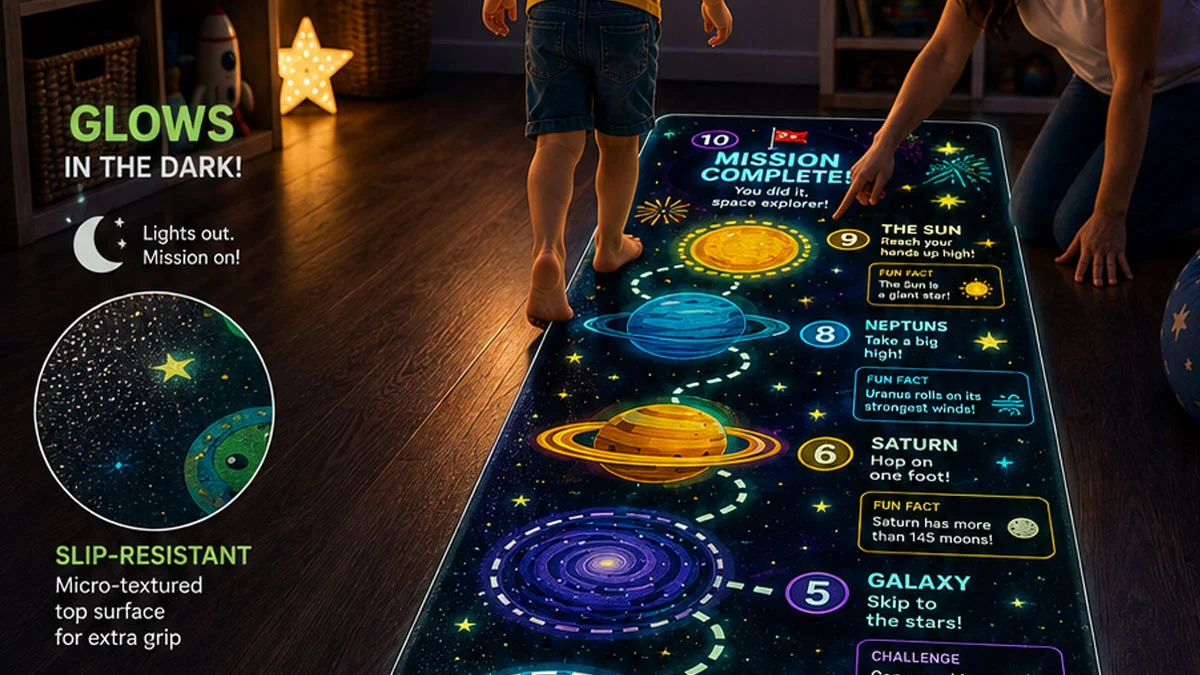
A hallway can become the most repeated route in a child’s day: bedroom to bathroom, playroom to kitchen, backpack drop to bedtime. A child sensory floor pathway gives that everyday movement a clear, inviting purpose. With simple visual cues underfoot, children can hop, follow, pause, balance, or choose a calming route without turning the room into an obstacle course.
The best pathways are not just colorful. They are designed around how children actually move through a space, with low-profile materials that stay put and leave doors, strollers, and daily cleaning routines unobstructed. For families, caregivers, and educators, that combination matters. A sensory feature should encourage play and confidence without adding a new trip hazard.
What a child sensory floor pathway can do
A sensory floor pathway is a sequence of floor-based prompts, patterns, or textures that encourages purposeful movement. It may include footprints to follow, circles to jump between, a winding line for heel-to-toe walking, or quiet markers that show where to stop and take a breath.
For some children, these cues make transitions feel more predictable. A route from the classroom door to a reading corner can create a small movement break before a seated activity. At home, a path to the bathroom may make a routine easier to follow, while a simple jumping route in a playroom can offer an active outlet on rainy afternoons.
Every child responds differently. Some enjoy bright colors and active challenges; others may prefer calmer colors, fewer instructions, and plenty of open floor around the route. A pathway is not a replacement for supervision, individualized therapeutic guidance, or an accessible floor plan. It is a flexible design feature that can make movement more engaging and visually clear.
Start with the route, not the decorations
Before choosing shapes or colors, identify the natural traffic pattern. Watch where children already walk, run, pause, and turn. A useful pathway fits that movement instead of redirecting it through furniture or across an area that becomes wet.
Keep the route away from swinging doors, the top and bottom of stairs, cluttered entryways, and places where spills are common. In bathrooms and kitchens, prioritize slip-resistant protection first, then consider whether visual cues belong outside the wet zone rather than directly beside a tub, shower, or sink.
Measure the usable floor space with real life in mind. Leave enough clear room for a child to step off the path, for an adult to walk beside them, and for mobility aids or cleaning equipment if needed. In a narrow hallway, a single line with occasional symbols is usually more practical than a wide game board. In a playroom or classroom, a loop or station-based layout may work better.
The goal is clear movement, not maximum activity. A path that feels crowded can be distracting and harder to use safely.
Choose activities that match the space
A well-planned child sensory floor pathway often combines only two or three movement prompts. That keeps the experience easy to understand and prevents the floor from looking visually busy.
For active movement breaks
Footprints, numbered spots, animal tracks, and simple jump markers work well in a playroom, rec area, or wide classroom aisle. Alternate left and right footprints for marching, add pairs of circles for jumping, or use a curved line for following a route. Give each activity enough spacing for safe steps based on the children using it.
Avoid asking children to jump across a narrow passage or near furniture corners. If the space is shared by toddlers and older children, choose a route that is easy to walk first. Older children can add their own challenges, such as hopping on one foot, without requiring the floor design to become more complicated.
For calmer transitions
Not every pathway needs to be high energy. A row of small dots, leaves, stars, or softly colored stepping stones can guide a child from one activity to another without suggesting a race. A pause circle near a bedroom, reading nook, or classroom calm-down area can signal a moment to stop, breathe, or wait for an adult.
This approach is especially useful in homes where visual order matters as much as play. A modern neutral pathway with one accent color can feel like part of the room’s design rather than a temporary teaching tool.
For routines and independence
Pathways can also support predictable household routines. Use a trail from the entry to a shoe storage area, from a bedroom to a hamper, or from a bathroom doorway toward the sink. The visual cue should be simple enough that a child recognizes the destination without needing multiple signs or written directions.
For young children, repeated symbols are often easier to follow than a complex pattern. For older children, subtle arrows or color blocks may feel more age-appropriate and blend better with the rest of the home.
Why low-profile materials matter
Traditional rugs, foam tiles, and loose activity mats can add color and cushioning, but they also create edges that curl, shift, or catch small feet. They may be the wrong choice near a bathroom, in a busy hallway, or anywhere doors need to open freely.
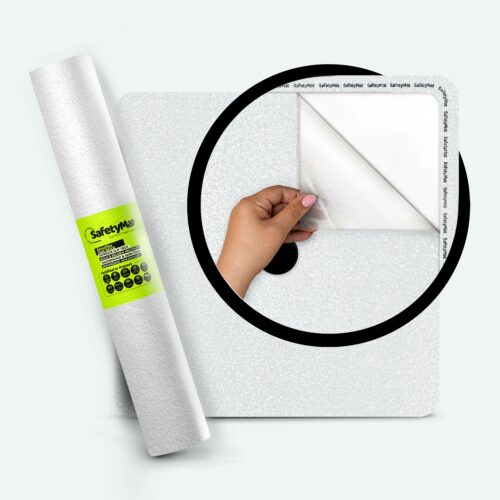
A thin, adhesive-backed vinyl pathway can offer a cleaner alternative on suitable smooth indoor surfaces. Because it sits close to the floor, it can define a route without the bulk of a raised mat. Waterproof, slip-resistant, and mold-resistant materials are particularly practical around family spaces where wet shoes, tracked-in messes, and frequent cleaning are part of the week.
That does not mean every floor should be covered. Texture and contrast should be intentional. If a child is sensitive to visual stimulation, choose a quieter pattern and limit the pathway to one defined area. If the pathway is installed in a facility, consider cleaning protocols, traffic levels, and whether the design can be understood by visitors who have never used the space before.
SafetyMat sensory floor pathways are designed to bring together visual direction, practical traction, and a low-profile finish, so the floor can support movement without taking over the room.
Plan for safe installation
The floor underneath matters as much as the pathway itself. Adhesive products perform best on clean, dry, smooth, and sound surfaces. Dust, soap residue, moisture, loose grout, and peeling finish can interfere with adhesion, so preparation should never be rushed.
First, clean the area thoroughly and allow it to dry fully. Lay out the design before removing any backing so you can check spacing, alignment, and door clearance. Start from a fixed point, such as a wall edge or doorway, and apply each section carefully to prevent bubbles and uneven gaps. Press firmly across the full surface, especially along edges.
Avoid placing pathway pieces over damaged flooring, deep grout lines, heavily textured surfaces, or areas that stay wet. If a section begins to lift, address it promptly rather than waiting for an edge to become a catching point. In rental homes, review the product instructions and your lease requirements before applying any adhesive surface treatment.
Peel, stick, protect is simple, but thoughtful placement is what makes the result feel finished and dependable.
Keep it clean without making it complicated
A child-focused floor feature will see crumbs, fingerprints, pet hair, and plenty of quick cleanups. Choose a surface that can be wiped with a damp cloth and mild household cleaner, then keep abrasive scrubbers and harsh chemicals out of the routine unless the manufacturer specifically approves them.
Check the pathway regularly, especially in high-traffic spots. Look for lifting edges, trapped moisture, worn areas, or changes in the surrounding floor. This is a quick habit, but it helps protect the low-profile finish that makes the pathway safer and easier to live with.
Design also affects maintenance. Highly detailed patterns can hide small messes, while a balanced color palette makes the floor feel clean and intentional between deeper cleanings. For many households, a simple design with durable materials will outlast a more elaborate setup that is hard to maintain.
A child sensory floor pathway works best when it feels like a natural part of the home: a clear route, a moment of movement, and a safer surface for the ordinary trips children make every day.
Turn a pathway idea into the right project
Compare the broader custom-printed slip-resistant flooring path, review classroom floor decal planning, or browse the existing sensory pathway products. Confirm the surface, dimensions, traffic, cleaning, age group, and intended activity before choosing a design.