How to Choose a Safe Toilet Floor Mat That Stays Put
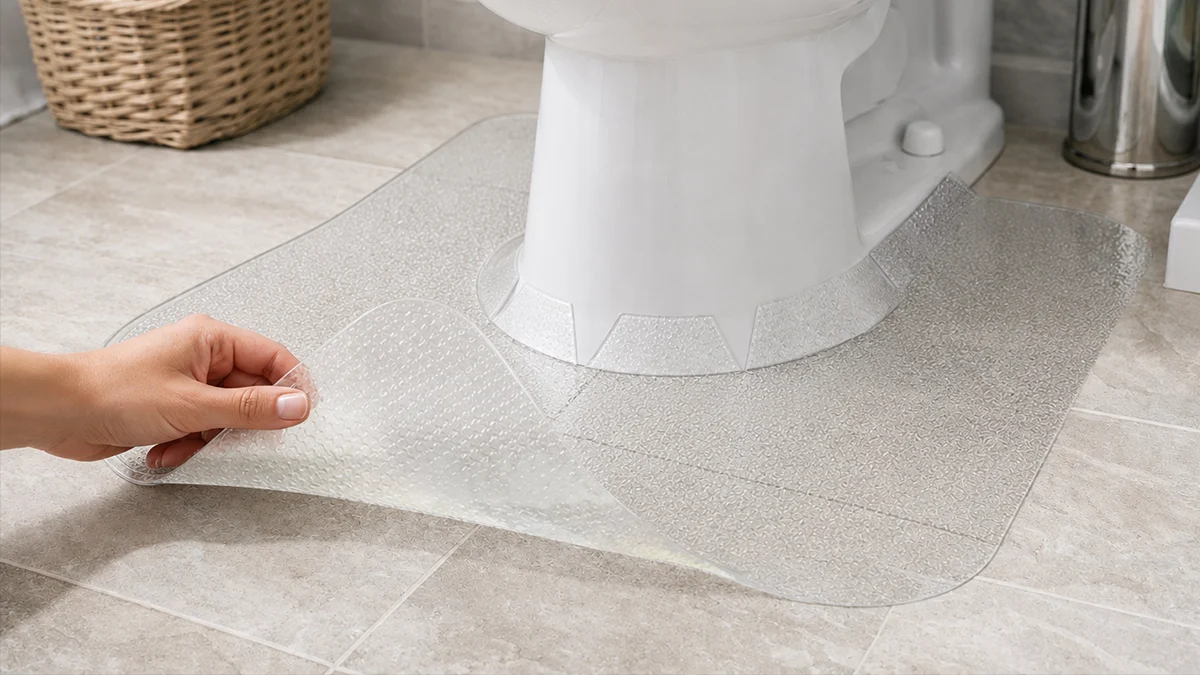
A wet spot near the toilet can be easy to miss until a bare foot lands on it. Between handwashing, bath time, toilet training, and everyday splashes, this small area can become one of the most slippery parts of the bathroom. A safe toilet floor mat helps create firmer footing where family members and guests naturally stand, without adding a bulky rug that can bunch up, slide, or hold onto moisture.
The right choice is not simply the softest mat or the one with the boldest “non-slip” label. For a toilet area, safety comes down to a stable surface, low-profile edges, moisture resistance, and a size that fits the room’s traffic pattern. When those details work together, a practical safety upgrade can also look like it belongs in your bathroom.
Why the Area Around a Toilet Needs More Traction
Bathrooms are full of smooth, hard surfaces. Tile, vinyl, laminate, and sealed flooring are easy to clean, but they can become slick when water, soap residue, or condensation gets underfoot. The toilet zone is especially busy because people approach it from different angles, often in socks, slippers, or bare feet.
Traditional contour rugs can make the area feel softer, but softness does not always equal stability. A loose-backed mat may shift when someone turns, catches a heel at a raised edge, or absorbs enough moisture to stay damp between cleanings. That can create the very problem it was meant to solve.
A safer approach is to treat the floor itself as part of the bathroom’s protective design. A thin, slip-resistant surface that stays in place gives users a predictable place to stand. This can be particularly helpful for young children learning bathroom routines, adults with limited balance, and older relatives who need dependable footing without an institutional-looking setup.
What Makes a Safe Toilet Floor Mat Work
A safe toilet floor mat should remain flat and secure under normal bathroom use. That sounds simple, but it requires more than a textured top layer. Look at how the mat meets the floor, how it handles water, and whether its edges create a transition that feels natural underfoot.
A low-profile design reduces trip points
Thick rugs and cushioned mats can feel comfortable, yet their height can be a drawback in a tight bathroom. A raised edge is easier to catch with a toe, walker, or bathroom door. Low-profile mats sit closer to the floor, helping the area feel more continuous while still improving traction.
This matters most in compact bathrooms, where a person may pivot between the sink, toilet, and shower with very little open floor space. The goal is support that does not interrupt movement.
A secure backing matters more than weight
Heavy bath rugs are often assumed to be safer because they seem less likely to move. In practice, a rug can still creep across a smooth floor, especially when its underside gets wet or dusty. A peel-and-stick mat designed for indoor wet areas offers a more stable alternative because it adheres directly to the surface rather than relying on its own weight.
For homes that need a removable or non-adhesive option, check that the backing is intended for the specific flooring type and can lie completely flat. No mat can compensate for an uneven, dirty, or damaged floor underneath it.
Waterproof, mold-resistant materials simplify care
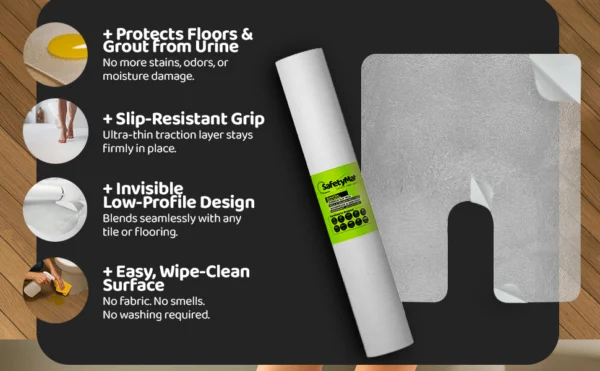
The toilet area needs a surface that can handle occasional splashes and routine cleaning. Fabric mats tend to collect moisture, hair, dust, and residue, which means frequent laundering and time spent waiting for them to dry. A waterproof surface is easier to wipe down and does not absorb water the same way a traditional rug does.
Mold resistance is also a practical feature, not just a selling point. Bathrooms have limited airflow in many homes, and anything that stays damp can become harder to keep fresh. Choose a material suited to moisture exposure, then clean it regularly according to product instructions.
Texture should add grip without feeling harsh
A quality safety mat uses a slip-resistant surface texture to improve footing. It should feel secure under bare feet and common footwear without being so aggressively rough that it is uncomfortable for daily use. The best texture depends on who uses the bathroom. A household with small children may prioritize gentle, reliable grip, while a caregiver improving an aging parent’s bathroom may prioritize maximum stability and clear visual contrast.
Choosing the Right Size and Placement
The safest mat is one that protects the place people actually stand. Before choosing a shape or pattern, notice how the bathroom is used. Does someone step forward from the toilet to the sink? Do children climb down from a training seat and turn toward the door? Is there a vanity close enough that feet regularly land between the toilet and cabinet?
A contoured shape can fit around the base of a toilet, but it is not always the safest or most useful choice. In some bathrooms, a rectangular or custom-cut surface placed beside the toilet provides better coverage for the standing area. It can also avoid seams and narrow sections that may be harder to clean.
Keep the mat clear of the toilet base, door swing, floor vents, and any point where it could interfere with cleaning. If you are covering a larger section of floor, make sure the edges do not end in the middle of a frequent turning path. A well-placed mat should support the natural route through the room, not require people to step around it.
For visual guidance, color and pattern can help. A contrast between the mat and surrounding floor makes the standing zone easier to recognize, which can benefit older adults and guests. For a quieter look, choose a finish that complements the tile, wall color, or vanity while still offering visible definition at the edges.
Check Your Floor Before You Peel and Stick
Adhesive-backed toilet mats work best on clean, smooth, sound surfaces. Before installation, inspect the floor for loose vinyl, cracked tile, peeling finish, deep grout lines, wax buildup, or persistent dampness. These conditions can limit adhesion and may need attention before any mat is applied.
Clean the installation area thoroughly and let it dry fully. Soap film, powder, dust, and cleaning-product residue can all interfere with a secure bond. Measure the space before removing the backing, especially around a toilet pedestal or close-set vanity. Taking a few extra minutes to plan placement helps avoid crooked edges and unnecessary repositioning.
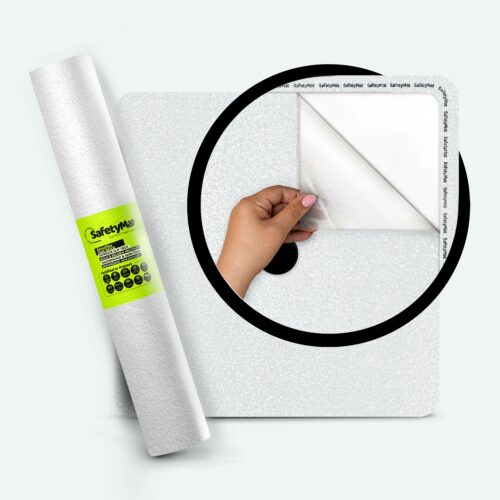
Once the mat is in place, press it firmly across the full surface and pay close attention to corners and edges. Follow the product’s installation and curing guidance before exposing it to heavy use or repeated washing. SafetyMat’s peel, stick, protect approach is designed to make this process manageable for homeowners and renters, but proper floor preparation is still the foundation of a reliable result.
Maintain Traction Without Adding Work
A low-maintenance mat still needs routine attention. Wipe up standing water promptly, especially if it came from a leaking toilet, overflowing sink, or a child’s bath routine. A mat can improve footing, but it should never be used to hide an ongoing plumbing issue.
For regular cleaning, use a gentle bathroom-safe method that will not leave a slippery film. Avoid applying oily cleaners, waxes, or heavy polish near the mat, as residue can reduce traction on surrounding flooring. Check the edges periodically for lifting, wear, or dirt buildup, particularly in a bathroom used by several people.
If the mat becomes damaged, loses adhesion, or no longer lies flat, replace it. A safety feature should remain predictable. Trying to make a worn mat last through curling edges or a failing backing is not worth the risk.
When a Toilet Mat Is Only One Part of the Plan
A safe toilet floor mat can make a meaningful difference, but the right level of protection depends on the bathroom and the person using it. Someone with a history of falls, significant mobility changes, or difficulty transferring from a seated position may also benefit from grab bars, improved lighting, a raised toilet seat, or professional guidance tailored to their needs.
It also helps to look beyond the toilet. The path from the bedroom to the bathroom, the space outside the shower, and the floor in front of the sink may all need attention. Consistent traction across the most-used areas can feel more natural than one isolated safety product in a room full of slick surfaces.
A bathroom should let people focus on getting ready, helping a child, or moving through a familiar routine with confidence. Choosing a floor mat that stays flat, cleans easily, and fits the room’s style is a small act of care that supports that confidence every day.