Why a Peel and Stick Shower Mat Makes Sense
A wet shower floor can become slippery in seconds, especially during rushed mornings, bath time with children, or a late-night rinse. A peel and stick shower mat offers a simple way to add dependable traction exactly where bare feet need it, without adding a loose layer that shifts, curls, or stays damp after every use.
Unlike traditional bath rugs or bulky suction-cup mats, an adhesive-backed shower surface sits low against the floor. That small difference matters. A low-profile mat reduces the raised edge that can catch a toe, keeps the shower looking more intentional, and supports safer routines for children, guests, older adults, and anyone who wants steadier footing on a smooth surface.
What a Peel and Stick Shower Mat Does Differently
Most people do not think about shower safety until a close call makes the risk obvious. Water, soap residue, conditioner, and smooth acrylic, fiberglass, tile, or vinyl surfaces can reduce traction quickly. A standard bath rug may help outside the shower, but it does not protect the spot where slipping often begins: inside the shower itself.
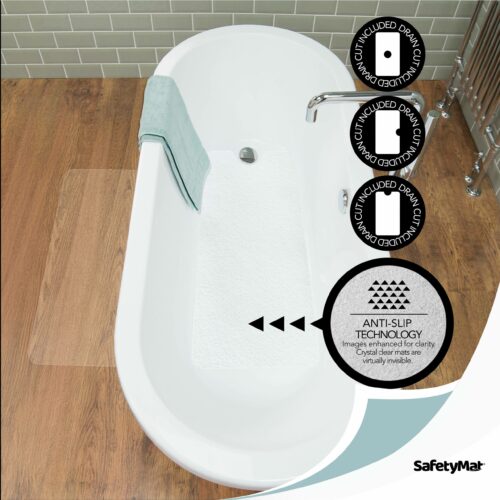
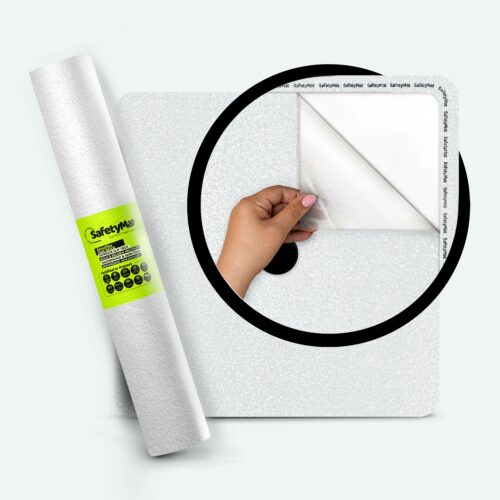
A peel-and-stick mat is designed to stay in place on a properly prepared shower floor. Rather than relying on suction cups, it uses a waterproof adhesive backing to create a stable, slip-resistant walking surface. The goal is straightforward: peel, stick, protect.
That fixed placement solves several everyday frustrations associated with loose mats. There is no mat to straighten after a shower, no suction cups to press down one by one, and no bulky backing that traps water underneath. The surface becomes part of the shower floor while maintaining a cleaner, more streamlined appearance.
Why Low Profile Matters in a Shower
Traditional rubber shower mats can be useful, but their thickness and loose edges are trade-offs. Water can collect underneath them, and cleaning often means lifting, rinsing, drying, and reinstalling the entire mat. If it is not dried thoroughly, that hidden moisture can contribute to unpleasant odors or mildew buildup.
An ultra-thin adhesive mat avoids much of that maintenance. Because it lies flat, water can move across the shower floor as intended rather than pooling beneath a removable layer. Its low profile also creates a more comfortable transition underfoot, particularly in compact showers where every inch of floor space is used.
This approach can be especially helpful for households adapting a bathroom for an aging parent or a family member with limited balance. Safety upgrades do not have to make a familiar bathroom feel clinical. A well-chosen shower mat can add traction while keeping the room calm, modern, and consistent with the rest of the home.
Choosing the Right Surface for Your Shower
Not every shower needs the same type or size of mat. Before selecting one, consider the shower floor material, its shape, where water lands most often, and how the space is used.
A large walk-in shower may benefit from broader coverage in the main standing area. A smaller stall may need a more compact mat that leaves drain access clear. If the shower has a textured floor already, check whether added traction is necessary and whether the adhesive is suitable for that texture. Adhesive products perform best when the surface is smooth, clean, dry, and structurally sound.
Drain placement deserves attention, too. The mat should not cover or interfere with the drain, and it should be positioned so water can continue to flow naturally. Measure the open floor area before installation instead of estimating from the outside dimensions of the shower.
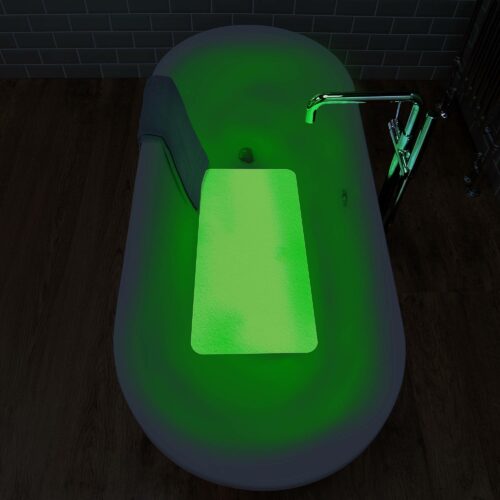
Design is also a practical consideration. A light-colored mat can help create visual contrast in a dark shower, which may make the standing area easier to see. A pattern or color that coordinates with the tile, wall covering, or bathroom hardware can make the safety feature feel deliberate rather than added as an afterthought.
When a Peel-and-Stick Mat Is a Good Fit
A peel-and-stick shower mat is often a strong choice when you want permanent-feeling traction without permanent remodeling. It works well for homeowners who want a clean upgrade, renters who need a removable surface option appropriate for their lease, and caregivers improving day-to-day safety in a loved one’s bathroom.
It is also a practical option for busy family bathrooms. Children bring extra water, soap, toys, and movement into the shower or tub area. A stable surface can help reduce one variable during bath time, while a mold-resistant, easy-clean material keeps the maintenance routine manageable.
For light commercial or shared-use environments, the same benefits apply, but surface preparation and usage demands matter even more. A frequently used shower needs a product designed for wet conditions and a cleaning routine that protects both hygiene and adhesion.
How to Install a Peel and Stick Shower Mat Correctly
Good installation begins before the backing paper comes off. Adhesion depends on the condition of the shower floor, so skipping preparation can shorten the life of any adhesive-backed product.
First, clean the intended area thoroughly. Remove soap film, body oils, residue, and any cleaner left on the surface. Then rinse well and allow the floor to dry completely. Moisture, dust, or residue can prevent the adhesive from making full contact.
Next, place the mat on the dry floor without removing the backing. Confirm the position, check the drain clearance, and make sure the walking area is covered where it is needed most. If you are installing more than one piece, plan the layout first so spacing looks even and the surfaces do not overlap.
Once positioned, peel back the backing gradually rather than all at once. Press the mat down from one side to the other, smoothing as you go to limit air pockets and ensure full contact. Apply firm, even pressure across the complete surface, with extra attention around edges and corners.
Allow the adhesive the recommended time to set before exposing it to water. The exact wait time depends on the product, shower material, temperature, and humidity, so follow the installation instructions provided with the mat. A little patience here helps protect the result.
Cleaning and Maintaining the Shower Surface
A shower mat should make the room easier to maintain, not create another cleaning task you dread. Regular cleaning prevents soap residue from reducing the effectiveness of the slip-resistant texture and helps keep the shower looking fresh.
Use a mild bathroom cleaner that is compatible with the mat material, along with a soft cloth or non-abrasive sponge. Avoid harsh abrasives, sharp tools, and aggressive scrubbing pads that can damage the textured surface or lift an edge. After cleaning, rinse away residue and let the shower dry with adequate ventilation.
If you notice an edge beginning to lift, address it early. Continued water exposure beneath a lifted area can affect adhesion and make cleaning more difficult. Check that the shower floor was properly prepared, then follow the product guidance for repair or replacement.
Good ventilation supports every bathroom safety product. Run the exhaust fan during and after showers when possible, open a window if the room has one, and avoid leaving wet towels or clothes piled near the shower. Less lingering moisture means a cleaner space and fewer conditions that encourage mildew.
Common Questions Before You Buy
Will it work in a tub-shower combination?
It can, provided the product is rated for that application and the tub floor offers a compatible, clean surface. Measure the flat standing area inside the tub and keep the drain unobstructed. For curved or heavily textured tub floors, confirm compatibility before installation.
Is it better than a suction-cup shower mat?
It depends on what you value most. Suction-cup mats are removable and familiar, but they can shift, lift, trap moisture, and require frequent cleaning underneath. A peel-and-stick option offers a flatter, more integrated surface with less movement, though it requires more careful placement at installation.
Can renters use an adhesive shower mat?
Many renters can, but the right choice depends on the lease agreement and the shower surface. Review your rental terms, test suitability as directed, and choose a product with removal guidance that fits your move-out needs. Never install over damaged finishes or surfaces that are already peeling.
A safer shower does not need to look like a compromise. With the right preparation, placement, and care, a low-profile mat can turn one of the home’s most accident-prone surfaces into a steadier, cleaner, better-looking part of the daily routine. That is the kind of everyday protection that quietly supports independence and peace of mind.