How to Choose a Non Slip Mat for Laundry Room
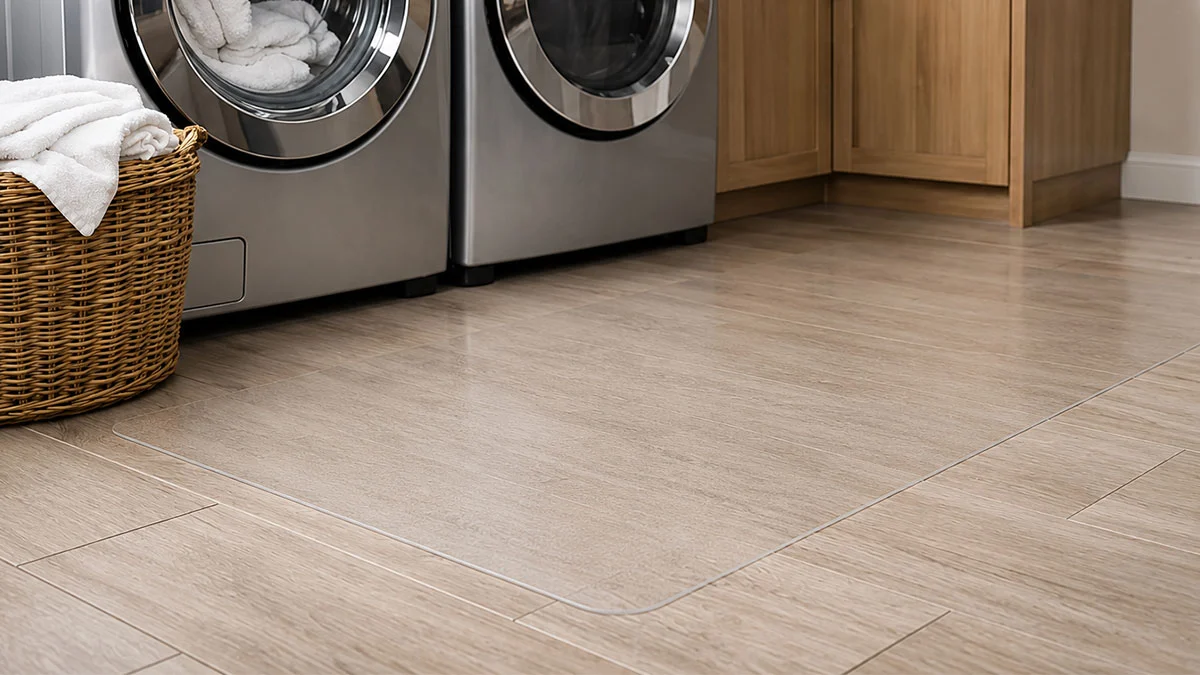
Table of contents
A laundry room may be one of the smallest rooms in the house, but it handles plenty of water, weight, and hurried movement. A non slip mat for laundry room floors helps create a steadier place to stand when loading a washer, sorting clothes, or responding to an unexpected drip. The right option should add traction without creating a bulky edge, trapping moisture, or making an already hardworking space harder to clean.
Laundry rooms are easy to overlook because most people do not spend long stretches of time in them. Yet a wet sock, a detergent spill, or condensation beneath a machine can turn smooth vinyl, tile, laminate, or sealed concrete into a slip hazard. A simple surface upgrade can make everyday routines feel more secure for children, adults, older family members, and guests.
Why Laundry Room Floors Need Better Traction
Water is not the only concern near a washer and dryer. Detergent, fabric softener, bleach residue, and pet-related messes can all leave a floor slicker than it looks. Even a small leak from a supply hose or a splash from a utility sink can create a hazard in the narrow path between machines, cabinets, and doorways.
Traditional rugs may seem like the obvious answer, but they come with trade-offs. A loose rug can shift as you step on it, curl at the corners, absorb moisture, and collect lint. Thick mats also create a raised transition that may catch a toe or interfere with a door swing. In a compact room where you may carry a full basket of laundry, a stable, low-profile surface matters.
An adhesive-backed safety mat addresses a different need than a decorative rug. It stays where it is placed, supports a flatter walking surface, and is designed to handle wet indoor conditions with less upkeep. For homes where safety and a clean look both matter, that combination is often more practical than adding another washable textile to the laundry pile.
What to Look for in a Non Slip Mat for Laundry Room Use
The best mat depends on your floor material, room layout, and the type of moisture you are managing. A mat placed in front of a front-loading washer has different demands than one installed along a utility sink or in a narrow pass-through laundry closet.
A low-profile design
Look for a thin profile that sits close to the floor. This helps reduce the chance of catching a foot on the edge and keeps doors, rolling hampers, and appliance access clear. Low-profile coverage is especially useful in laundry rooms connected to kitchens, mudrooms, garages, or hallways, where people may pass through without looking down.
A thin mat should still feel secure underfoot. Texture is what supplies traction, not bulk. The goal is a stable surface that supports confident steps without making the room feel crowded.
Waterproof, moisture-resistant materials
Laundry rooms need materials that can stand up to occasional spills and routine dampness. A waterproof surface is easier to wipe clean after a detergent splash or a small drip, while moisture-resistant construction helps prevent the lingering damp conditions that can lead to odors and mildew around traditional rugs.
No mat can solve an active appliance leak. If water is pooling, shut off the machine if it is safe to do so and address the source promptly. A non-slip surface is a protective layer for normal household messes, not a substitute for appliance maintenance or leak repair.
Reliable adhesion for the right floor
A peel-and-stick mat should be used on a clean, smooth, sound surface. Adhesion can be affected by dust, waxy cleaning residue, loose flooring, deep grout lines, or damaged vinyl. Before choosing a placement, inspect the floor for lifting edges, cracks, and areas that remain wet for long periods.
For renters, it is wise to review the product instructions and your lease before applying any adhesive-backed surface. Some floors and finishes may need special care. When in doubt, test a small area or choose a product intended for your specific surface type.
Enough coverage for how you move
Think about where feet actually land. Many homeowners need traction directly in front of the washer and dryer, where they stand while transferring heavy loads. Others benefit from a longer pathway between the doorway and appliances, especially if the room is used as a main entry point.
Do not cover every inch by default. Targeted coverage often looks cleaner and is easier to maintain. Leave enough visible floor around the mat to create a defined, intentional layout rather than making the room feel patched together.
Choose Placement Before You Install
The most useful installation begins with a quick observation period. Notice where drips appear after a wash cycle, where you pivot with a laundry basket, and where family members tend to step when reaching for detergent. Those are the areas where traction will do the most work.
In front of side-by-side machines, a single continuous mat can create a dependable standing zone. In a stacked laundry closet, a narrower piece may be better suited to the limited floor space. Near a utility sink, place coverage where splashes land while leaving drain access and cabinet doors unobstructed.
Avoid placing a mat over a floor vent, across a threshold, or where it could interfere with appliance leveling, service panels, or door movement. Also keep the edge clear of the washer and dryer feet. Appliances need stable, level contact with the floor to operate properly.
Peel, Stick, Protect: Installation That Holds Up
Preparation makes the difference between a mat that stays neat and one that struggles to adhere. Start by clearing the area and moving loose baskets, hampers, and floor accessories out of the way. Sweep or vacuum lint and debris thoroughly, then clean the floor with a suitable cleaner to remove detergent film, oil, and residue.
Let the floor dry completely. Moisture beneath an adhesive-backed mat can weaken adhesion and may trap water where you do not want it. Measure the space and dry-fit the mat first so you can confirm it will not block doors or create awkward gaps in high-traffic areas.
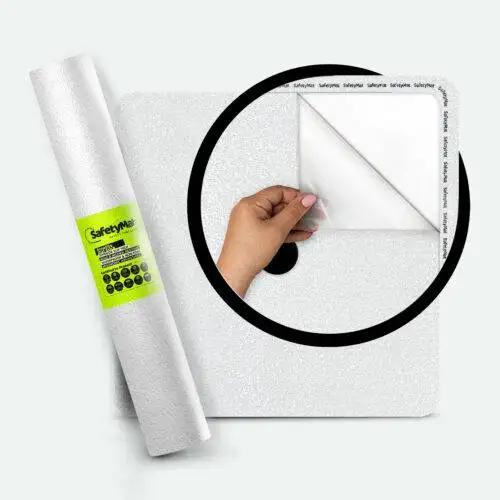
When you are ready, peel the backing gradually rather than all at once. Press the mat down from one side to the other, smoothing as you go to reduce air pockets. Apply firm pressure across the full surface, paying extra attention to corners and edges. SafetyMat products are designed to make this process straightforward: peel, stick, protect.
Give the installation time to settle according to the product directions before exposing it to heavy traffic or cleaning. That small pause supports a more secure result.
Keep the Surface Clean Without Adding Chores
A laundry room safety mat should simplify maintenance, not become another item that needs frequent washing. Regular sweeping or vacuuming removes lint, hair, and debris that can build up around appliances. For everyday marks, wipe the surface with a damp cloth and a mild cleaner appropriate for the product and your flooring.
Skip abrasive scrubbers and harsh chemicals unless the product instructions specifically allow them. These can dull a textured surface or affect adhesive performance at the edges. After cleaning, dry the area so water does not sit along the mat perimeter.
Check the mat periodically, especially after moving appliances, deep cleaning, or dealing with a spill. If you notice lifting edges, trapped moisture, or a change in the floor beneath it, address the issue early. A safe surface works best when it stays flat, clean, and firmly attached.
Safety That Fits the Rest of the Room
Laundry rooms no longer have to look purely utilitarian. Whether your space has bright cabinetry, warm wood accents, patterned wallpaper, or a simple white-and-gray finish, a safety mat can be selected as part of the room’s design rather than added as an afterthought.
Color and pattern can also help define the standing area in a busy room. This can be useful for children learning household routines or for older adults who benefit from a clearer visual cue underfoot. The best choice is one that feels noticeable enough to support safe movement while still working with the room’s overall style.
A safer laundry room does not require a remodel or a bulky rug that slides out of place. Start with the path you take most often, protect the spot where moisture and movement meet, and make every load of laundry a little more secure.