Low Profile Bath Mat for Elderly Adults at Home
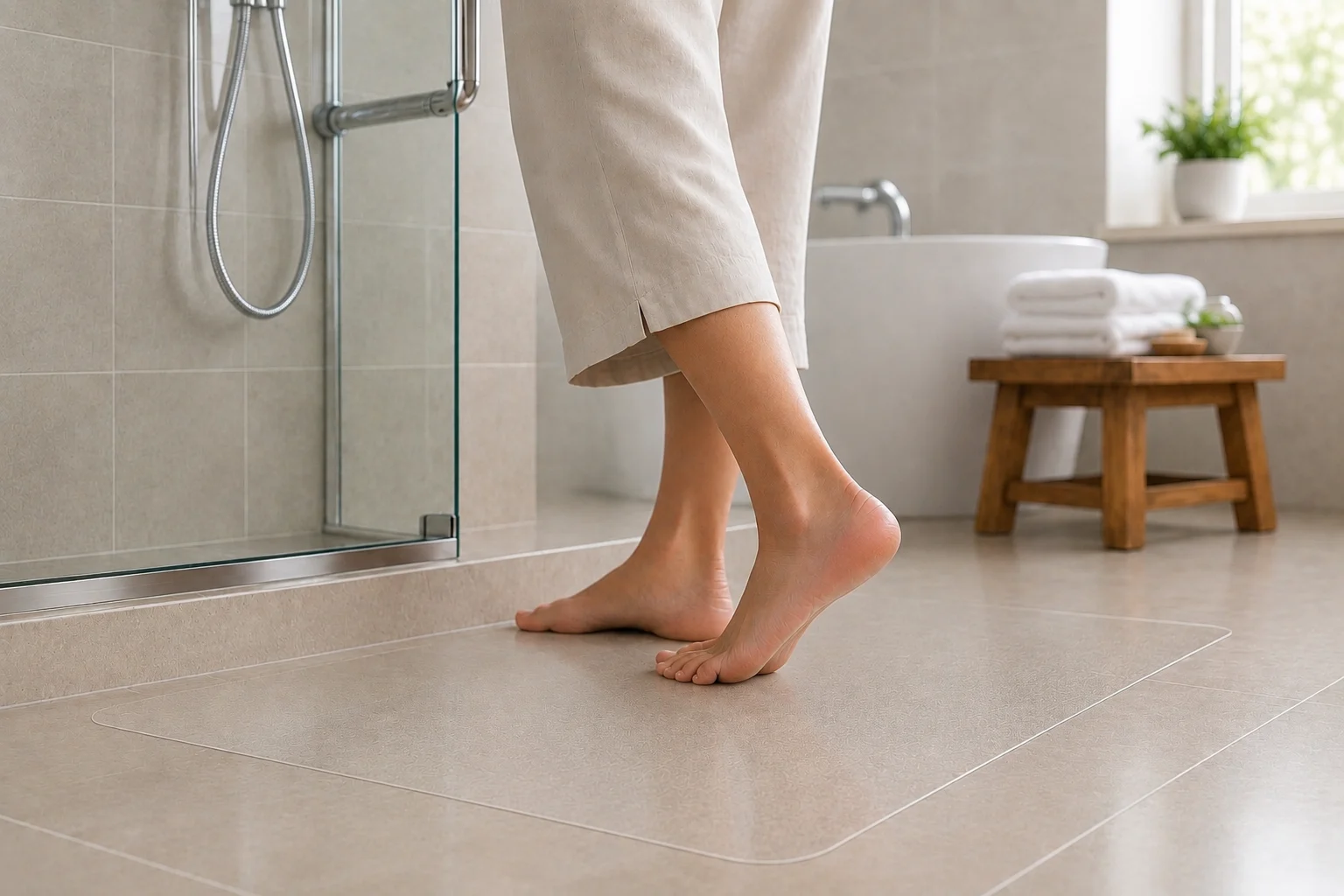
Table of contents
- What a Low Profile Bath Mat for Elderly Adults Should Solve
- Why Low Profile Matters More Than Plush Comfort
- Choose the Right Surface for the Location
- Features That Make Everyday Care Easier
- Measure for a Useful, Not Overcrowded Fit
- Installation Is Part of the Safety Benefit
- Build a Safer Bathroom Routine Around the Mat
A bathroom floor can become slippery in seconds after a shower, even when the rest of the room is clean and well organized. A low profile bath mat for elderly adults helps address that daily risk without adding the thick, shifting edge of a traditional bath rug. The goal is simple: create steadier footing where bare feet, moisture, and smooth flooring meet.
For older adults who want to remain comfortable and independent at home, small changes can make a meaningful difference. A mat should support a safer routine, not introduce a new obstacle to step over, straighten, wash, or worry about. That is why a thin, securely installed surface often makes more sense than a plush bath mat that slides or stays damp.
What a Low Profile Bath Mat for Elderly Adults Should Solve
Traditional bath rugs can feel soft underfoot, but softness is not the same as stability. Their backing can lose grip over time, especially on tile, vinyl, or other smooth bathroom floors. Corners may curl, the rug can bunch under a foot, and damp fibers may hold moisture long after bathing is finished.
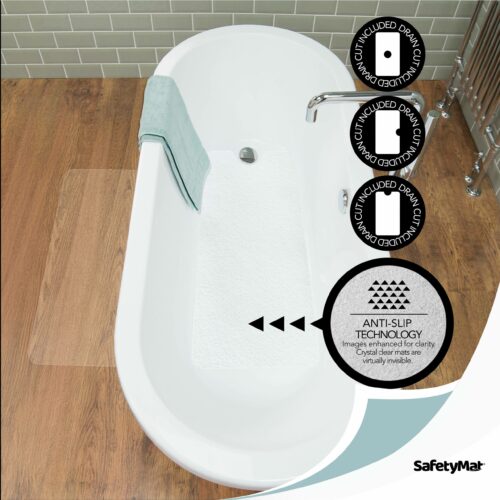
A low-profile safety mat is designed to minimize those concerns. Its thin construction helps reduce the raised edge that can catch a slipper, walker, cane tip, or bare toe. When the mat is adhesive-backed and properly applied, it stays in position rather than shifting when someone steps out of the shower.
The best choice depends on where the risk occurs. Some households need traction directly outside a shower or tub. Others need a safer standing area near the sink, toilet, or vanity where water drips and people turn frequently. In a compact bathroom, a mat that sits close to the floor can also preserve clear walking space without making the room feel crowded.
Why Low Profile Matters More Than Plush Comfort
A thick rug can create a noticeable transition between the floor and the mat. For someone with reduced balance, limited foot clearance, neuropathy, or a shuffling gait, that transition may be enough to cause a misstep. Even a mat that does not slide can become a tripping point when its edges lift or fold.
Low-profile mats keep that transition minimal. They provide a textured walking surface while maintaining a flatter path through the bathroom. This is particularly helpful in homes where an older adult uses a mobility aid or where family members of different ages share one bathroom.
That does not mean every thin mat is automatically safe. A loose, thin rug can still slip. The benefit comes from pairing a low profile with dependable adhesion, water-resistant materials, and an edge that stays flat. Look for a mat made for wet, smooth surfaces rather than a decorative rug that happens to be thin.
Choose the Right Surface for the Location
The area outside the shower has different needs than the inside of a tub or shower enclosure. A bathroom floor mat should manage wet feet and everyday traffic while staying secure on the existing floor. A shower safety surface needs to perform in direct water exposure and work with the floor material underneath it.
Before choosing a mat, consider the exact path a person takes after bathing. Do they step out onto tile and immediately turn toward a towel bar? Do they stand at the sink while brushing their teeth? Is there a narrow space between the toilet and vanity where a rug regularly shifts? Mapping those routines helps identify the spots where traction will be most useful.
Also think about the flooring itself. Smooth tile, sealed stone, vinyl, and laminate can become slick when wet. A product intended for a compatible clean, dry, non-porous surface is more likely to adhere properly. Grout lines, deeply textured flooring, damaged finishes, and uneven surfaces may require a different approach.
Features That Make Everyday Care Easier
For many families, the best bath mat is the one that does not become another cleaning project. Fabric rugs can need frequent laundering and may still trap moisture, hair, and soap residue. Suction-cup mats can collect buildup underneath and are often inconvenient to lift, rinse, and dry.
A waterproof, mold-resistant, peel-and-stick mat can make maintenance more manageable. Because it lies close to the floor, there is less space beneath it for water to linger. Regular cleaning is usually as straightforward as wiping the surface with a mild bathroom-safe cleaner and following the product care instructions.
Design matters, too. Safety additions do not need to make a bathroom look clinical. A low-profile mat in a color or pattern that works with the room can define a safer standing zone while still fitting the home’s style. A slight visual contrast with the surrounding floor may also make the area easier to see, especially in bathrooms with low lighting or similar-colored surfaces.
Measure for a Useful, Not Overcrowded Fit
Coverage should match the hazard, not fill every inch of the room. A mat that is too small may leave the main stepping area unprotected. One that is too large can interfere with door swing, cover a needed drainage area, or make it harder to clean around fixtures.
Start by measuring the landing zone outside the tub or shower. Include the area where feet naturally land, not just the width of the shower opening. If the person typically reaches for a towel, grab bar, or counter after stepping out, make sure the protected surface supports that movement.
Leave enough exposed floor for doors and bathroom fixtures to function normally. If a walker or cane is used, check that the mat placement allows all legs or tips to contact a stable surface as intended. A mat should make movement feel more predictable, not force someone to change their routine in an awkward way.
Installation Is Part of the Safety Benefit
Even a well-designed adhesive mat cannot perform as intended if it is installed over dust, soap film, moisture, or loose flooring. Preparation is not a minor detail. It is what helps the adhesive make full contact with the floor.
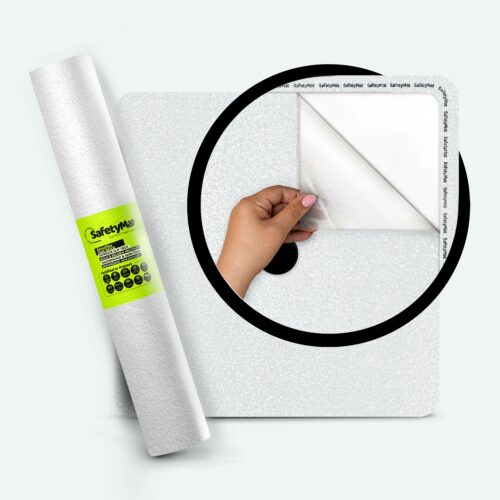
Clean the application area thoroughly, then allow it to dry completely. Measure and position the mat before removing the backing so it lands exactly where it is needed. Once applied, press firmly across the full surface, paying special attention to edges and corners. Following the product-specific installation and cure-time instructions helps avoid early lifting.
SafetyMat’s peel, stick, protect approach is built around this practical idea: a safer surface should be straightforward to add without a contractor or a full bathroom remodel. Still, adhesive products are not a universal fix. Do not apply a mat over a failing floor, loose tiles, severe cracks, or a surface with ongoing water damage. Address those issues first.
Build a Safer Bathroom Routine Around the Mat
A low-profile mat works best as one part of a thoughtful bathroom setup. Good lighting makes wet spots, edges, and changes in floor level easier to see. Towels placed within easy reach can reduce the urge to take extra steps on wet feet. Grab bars installed where a person naturally needs support can help with entering, exiting, and standing.
Footwear also matters. Worn slippers with smooth soles can reduce traction, while supportive non-slip footwear may offer better grip for some routines. If someone has recently fallen, feels unsteady, experiences dizziness, or has significant changes in mobility, a healthcare professional or occupational therapist can help assess the home and recommend appropriate supports.
Check the mat occasionally for lifted corners, damage, residue, or changes in the surrounding floor. Replacing a worn safety surface promptly is a simple form of home maintenance and care. The right low-profile mat does not ask an older adult to navigate around it – it quietly supports the next safe step.