Choosing a Kitchen Mat That Stays in Place
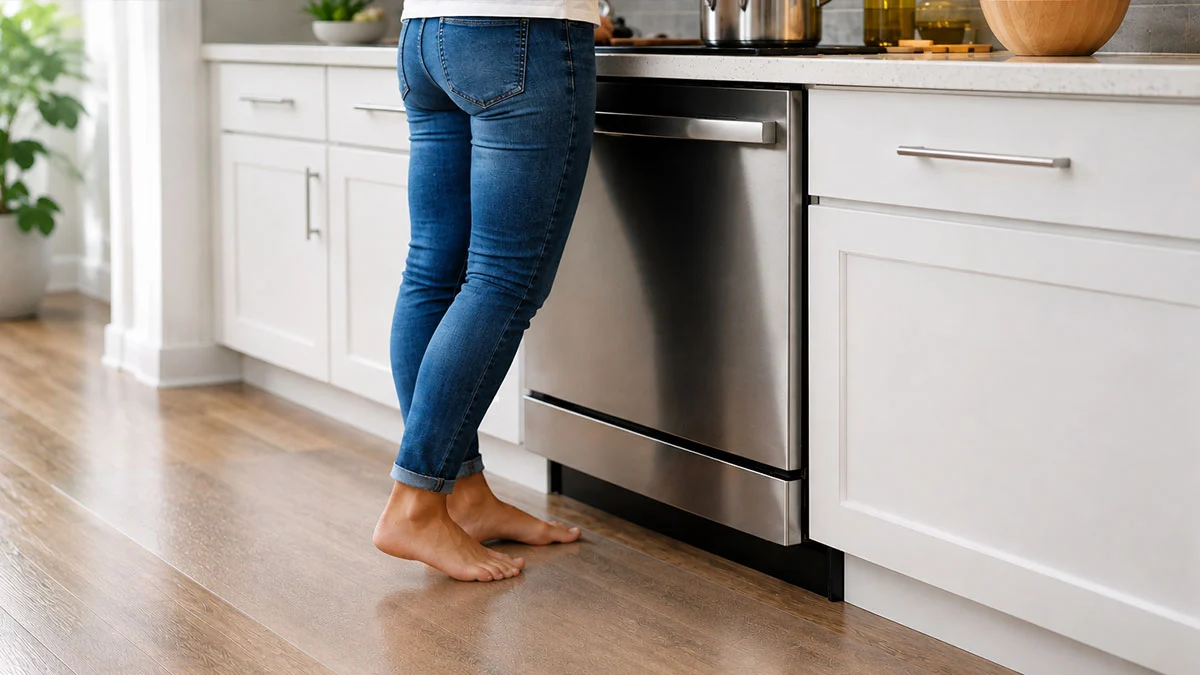
The spot in front of the sink is where kitchen floors take the most abuse. A few drops from rinsed produce, a splash from the dishwasher, or wet hands after washing up can turn smooth tile, vinyl, or sealed wood into an unexpectedly slippery surface. A kitchen mat that stays in place helps protect that high-use area without adding a loose edge that can shift underfoot.
For many households, the answer is not a thicker rug. It is a lower-profile surface solution designed to grip the floor, handle moisture, and remain easy to clean. The right choice depends on your flooring, daily routine, and whether you need comfort, traction, or both.
Why ordinary kitchen rugs move
Traditional kitchen rugs are often made to be soft first and stable second. Even when a rug has a rubberized backing, grease, dust, water, and normal foot traffic can weaken its hold. The corners begin to curl, the whole mat creeps forward while you stand at the counter, or it slides when someone turns quickly.
That movement is more than an annoyance. A shifting mat can create a trip point for children rushing through the kitchen, older adults carrying a pot, guests unfamiliar with the room, or anyone stepping backward from the sink. Thick cushioned mats can also create a raised transition between the mat and the floor. If the edge lifts, it becomes another place for a shoe, sock, walker, or bare foot to catch.
Moisture makes the problem harder to manage. Fabric rugs can absorb splashes and take time to dry, while crumbs and cooking residue settle into the fibers. Frequent washing may help, but it can also wear down backing materials and leave you without floor protection while the rug is in the laundry.
What makes a kitchen mat stay in place
A secure kitchen mat starts with the connection between the mat and the floor. Weight alone is not enough. A heavy runner can still slide on a smooth surface, especially if moisture gets underneath it. Suction cups are not a dependable option for most kitchen floors either, because they need a very smooth, nonporous surface to work properly and can collect grime around their edges.
For areas where dependable traction matters, an adhesive-backed, ultra-thin mat provides a different approach. Rather than resting on top of the floor like a rug, it adheres directly to a clean, dry surface. This helps prevent shifting while keeping the profile low enough to reduce the bulky feel of a conventional mat.
Look for a kitchen safety mat with these practical qualities:
- Waterproof materials that do not hold standing moisture like fabric.
- Slip-resistant texture on the walking surface for better footing near the sink and prep areas.
- Low-profile construction that minimizes raised edges and helps doors, cabinets, and foot traffic move freely.
- Mold-resistant, wipe-clean surfaces that are easier to maintain around everyday spills.
A mat should also look intentional in the room. Kitchens are hardworking spaces, but they are still part of the home. A clean neutral, subtle pattern, or custom surface design can make safety protection feel like part of the floor plan rather than an afterthought.
Match the mat to the area you use most
The best placement is usually not the largest possible coverage area. Start where water and standing time overlap. In many kitchens, that is directly in front of the sink. It may also be near the dishwasher, beneath a frequently used prep counter, or between an island and the range where people often pivot while carrying ingredients.
A narrow strip can be useful for a focused wet zone, while a wider rectangular mat may make more sense for a long sink wall. Keep the edges clear of cabinet doors, appliance doors, and pathways where people enter or exit the kitchen. The goal is to improve footing without creating an obstacle in a busy route.
If comfort is your main priority during long cooking sessions, a cushioned anti-fatigue mat may still have a place in a dry, lower-risk area. But it is worth being honest about the trade-off: more cushioning often means more thickness, and more thickness can mean a more noticeable edge. Near wet surfaces, a thin, secured slip-resistant mat is often the more practical choice.
Choose the right surface before you stick
Adhesive-backed kitchen mats are designed for smooth, stable flooring, but not every floor finish should be treated the same way. Ceramic tile, porcelain tile, many vinyl floors, and properly sealed smooth surfaces are common candidates. The floor needs to be sound, clean, and fully dry so the adhesive can make consistent contact.
Textured grout lines, deeply embossed flooring, loose vinyl, crumbling tile, damaged sealants, or floors with waxy residue may affect adhesion. Natural stone and unfinished wood require extra care because porous or specialty finishes can react differently to adhesive products. When in doubt, test a small inconspicuous area and follow the product-specific surface guidance before covering a larger section.
Renters should also consider removal requirements before installing anything adhesive-backed. A peel-and-stick mat can be a practical non-contractor upgrade, but the right product and preparation matter when a lease requires the original flooring to remain unchanged.
Installation matters as much as the mat
Even a well-designed kitchen mat can fail to stay put if it is applied over dust, oil, or moisture. Kitchen floors collect an invisible film of cooking residue, especially near the stove and sink. A quick sweep alone is not enough.
First, measure the intended area and make sure the mat will sit flat without blocking doors or overlapping an uneven transition. Clean the floor thoroughly using an appropriate cleaner for the flooring type, then remove any remaining residue. Let the area dry completely. Rushing this step can trap moisture beneath the mat and reduce adhesion.
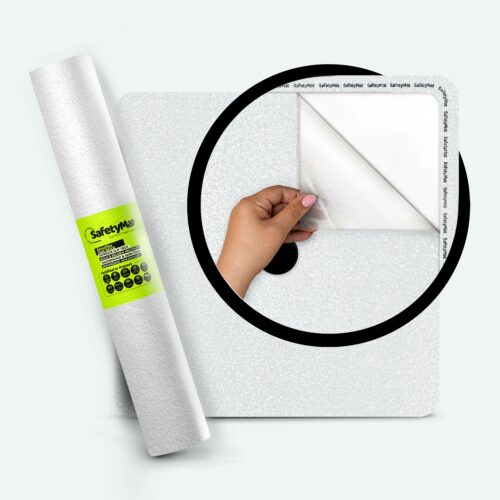
When applying a peel-and-stick mat, align it before removing the backing. Peel the backing gradually rather than all at once, pressing the mat down from one side to the other to avoid trapped air. Apply firm, even pressure across the full surface, paying special attention to the perimeter and corners. This simple peel, stick, protect process helps create a neat finish that stays secure through daily use.
Give the installation area time to settle according to the product directions before exposing it to heavy water, aggressive scrubbing, or constant traffic. That small amount of patience can make a meaningful difference in long-term performance.
Keep the surface clean without creating new slip risks
A kitchen mat that stays in place should also be easy to maintain. Wipe up spills promptly, especially oils, sauces, and soapy water. For routine cleaning, use a soft cloth or mop with a cleaner appropriate for the mat and surrounding floor. Avoid abrasive tools that can wear down a textured slip-resistant surface.
Check the edges periodically, particularly after deep cleaning, moving appliances, or a high-traffic gathering. If an edge begins to lift, address it early instead of waiting for it to become a trip hazard. Also look underneath nearby movable rugs and around the sink for moisture that may have traveled beyond the protected area.
This is where a thin waterproof mat has a practical advantage over a fabric rug. There is no heavy, damp layer to haul to the washer, no saturated backing to dry, and no need to straighten the mat every time someone steps on it. The maintenance routine becomes part of regular kitchen cleanup rather than another household chore.
Make kitchen safety feel like home
A safer kitchen does not need to look clinical or temporary. The most useful surface upgrades are the ones that fit the way your home already works: simple to install, comfortable to live with, and easy to keep clean. SafetyMat’s low-profile peel-and-stick designs are made for that balance, bringing traction and waterproof protection to the places where daily life gets messy.
Choose coverage for the water-prone areas you use most, prepare the floor carefully, and prioritize a secure, low-profile finish over a rug that has to be constantly adjusted. Better footing at the sink is a small change that can make every meal, cleanup, and family visit feel a little more protected.