7 Bathroom Rug Alternative Ideas That Stay Put
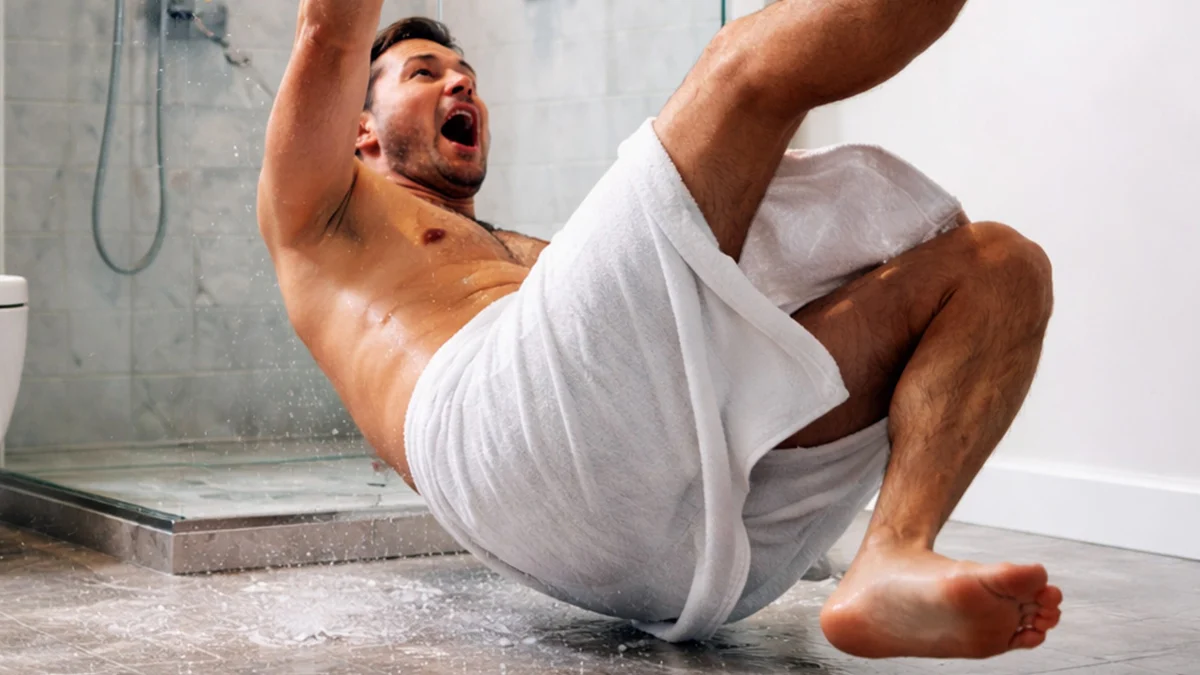
Table of contents
A bath rug can make the first step out of the shower feel warmer, but it can also become the part of the bathroom that slides, stays damp, and needs constant washing. The right bathroom rug alternative should do more than fill empty floor space. It should help manage water, support steady footing, and fit the way your household actually uses the room.
For a family bathroom, that might mean handling splashes from bedtime baths. For an older adult or someone recovering from an injury, it may mean reducing the chance that a loose edge shifts underfoot. Renters may also need an option that improves traction without turning a small bathroom into a renovation project.
Why Many Bath Rugs Create More Work Than Comfort
Traditional bath rugs solve one problem: they absorb water. But absorbency is not the same as safety. Once saturated, a rug can stay wet long after the bathroom is used. That moisture can collect on the backing, create odors, encourage mildew, and leave the floor underneath damp.
Movement is the other concern. Rubberized or grippy backing can wear down, especially after repeated washing. A rug that curls at the corners, bunches near the toilet, or shifts when someone steps on it can create a trip hazard instead of preventing one. Thick plush rugs can also be difficult for walkers, wheelchairs, and doors to move over.
A better choice depends on where the water lands and who uses the space. The area immediately outside a shower needs a different solution than the floor in front of a vanity or toilet. Start with the hazard, then choose a surface designed to address it.
1. Peel-and-Stick Safety Mats
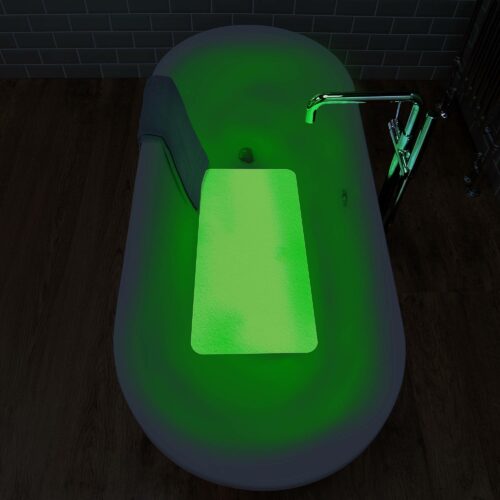
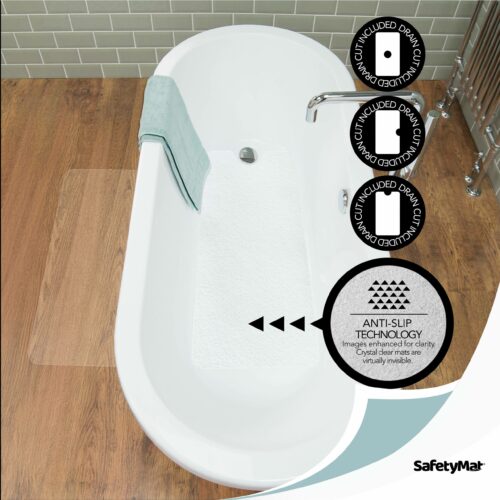
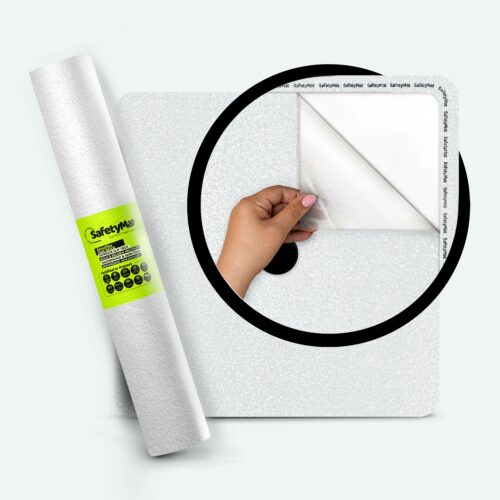
For many homes, an ultra-thin adhesive-backed safety mat is the most practical bathroom rug alternative. It provides a stable, textured surface without the bulk and movement of a loose rug. Because it adheres directly to a clean, smooth floor, there is no backing to slide out of place when feet are wet.
This option works particularly well beside showers, tubs, sinks, and toilets, where small puddles and repeated foot traffic are common. A waterproof, mold-resistant mat can be wiped clean as part of normal bathroom care rather than picked up, shaken out, and run through the wash.
Low-profile construction matters. It helps reduce raised edges that can catch toes, while allowing most bathroom doors to clear the surface. Design also does not need to be an afterthought. Modern printed safety mats can blend with tile, add a calm neutral pattern, or create visual contrast that helps define a safer place to stand.
SafetyMat products are designed around this simple approach: peel, stick, protect. The key is preparing the floor correctly before installation. The surface should be smooth, fully dry, and free from dust, soap residue, and oils so the adhesive can make full contact.
2. Shower Floor Traction Treatments
If slipping happens inside the shower rather than outside it, a floor covering by the vanity will not solve the problem. Shower-specific traction treatments are designed for direct water exposure and should be chosen for the shower floor material, drain placement, and cleaning routine.
Adhesive shower mats or traction strips are often a cleaner alternative to suction-cup mats. Suction-cup styles can trap water underneath, making them harder to dry and clean thoroughly. They may also lose grip on textured or uneven surfaces.
Adhesive traction products sit closer to the shower floor and can leave more of the surface visible. They are useful when a full shower mat would interfere with drainage or make a smaller shower feel crowded. The trade-off is coverage: individual strips offer targeted grip but do not create the continuous standing area of a full mat.
For any shower treatment, avoid covering the drain or applying products to damaged, loose, or heavily textured surfaces without confirming they are compatible. Good traction works best alongside regular cleaning, since soap film can make almost any surface more slippery.
3. Slatted Teak or Bamboo Platforms
A slatted wood platform can bring a spa-like look to a bathroom and keep bare feet above small amounts of water. It is usually rigid, more stable than a fabric rug, and easy to lift when the floor needs cleaning. Teak is generally better suited to wet environments than many other woods because of its natural oils and durability.
Still, this is not the best fit for every household. The gaps between slats can collect hair and dust, and the platform needs room to dry. It may also shift on smooth tile unless it has reliable non-slip feet. Raised slats create an edge, which can be a concern for anyone with limited mobility or an unsteady gait.
Use a wood platform when design and underfoot comfort are the priority and the user can safely step over a low threshold. For high-risk bathrooms, a thin fixed safety surface is often the more secure choice.
4. Water-Resistant Vinyl Floor Coverings
A larger vinyl floor covering can be useful in bathrooms with worn flooring, dated surfaces, or a broad area that feels slick underfoot. Unlike a small rug, it can visually unify the space and protect more of the floor from splashes. Some options are made for temporary updates, which can appeal to renters or homeowners planning a future remodel.
The limitation is that not every vinyl covering adds meaningful slip resistance. A smooth decorative layer may improve appearance while doing little for wet-foot traction. Look for products intended for bathroom use and assess whether their finish, adhesive, and edge treatment are appropriate for regular moisture.
This approach is best when the room needs both a surface refresh and a practical moisture barrier. It is less useful when the slip risk is concentrated in one small location, such as the spot directly outside a tub.
5. Cork Flooring or Cork Tiles
Cork offers a warmer, softer feel than ceramic tile and can make a bathroom more comfortable without adding a separate rug. It also has natural cushioning, which can be appealing in a primary bathroom where people spend time at the sink or mirror.
Bathrooms are demanding environments for cork, though. It must be properly sealed to withstand humidity and splashes, and standing water can damage it over time. Seams, edges, and areas near a shower need extra attention. This is a renovation-level choice, not a quick replacement for a bath mat.
Consider cork if you are already updating the whole floor and want a warmer material underfoot. Do not rely on it alone to solve a wet exit zone near the shower.
6. Non-Slip Tile or Textured Flooring
When a bathroom remodel is already planned, textured porcelain tile or another slip-resistant flooring material can create long-term traction across the room. This is a clean, integrated solution with no separate mat to wash or replace.
The trade-off is cost and permanence. Installation can require demolition, subfloor preparation, grout work, and time without access to the bathroom. Textured finishes can also take more effort to clean than glossy tile, particularly in homes with hard water or soap buildup.
For a new build or full remodel, flooring with a suitable wet-area slip rating is worth discussing with a qualified installer. For a quicker upgrade, targeted adhesive safety mats can address the same everyday standing zones without changing the entire room.
7. Quick-Dry Fabric Mats
A quick-dry microfiber or diatomaceous-style mat may be a better version of a conventional rug for households that still want a removable surface. Some are thinner, more absorbent, and faster to dry than plush cotton rugs. They can be useful in guest bathrooms where water exposure is lighter and the mat can be regularly aired out.
They still require attention. A removable mat can move, and any absorbent product needs cleaning and complete drying. Hard drying mats can also chip or crack if dropped, while softer fabric mats eventually wear down. If your main concern is slip prevention for children, older adults, or frequent shower use, a loose mat remains a compromise.
How to Choose the Right Bathroom Rug Alternative
Think about the exact moment when the floor becomes risky. Is it stepping from the shower? Turning at the sink with wet hands? Helping a child out of the tub? The answer determines whether you need a fixed floor mat, shower traction, broader floor coverage, or a combination of these solutions.
Measure the available standing area and check door swing before choosing anything with thickness. Then consider cleaning honestly. A product that requires special laundering or daily lifting may not suit a busy household, even if it looks good on day one. A wipe-clean, low-profile option is often easier to maintain consistently.
Finally, use visual contrast with care. A pattern or color change can help guests, children, and older adults recognize where to step, but it should still feel intentional within the room. Safety works best when it becomes part of the bathroom’s design rather than an obstacle added after the fact.
A safer bathroom does not need to look clinical or feel overbuilt. Start with the wettest step in the room, choose a surface that stays where it belongs, and make daily routines a little steadier for everyone who walks through the door.